
By Marx Itamalo |
FARMERS in the Cunene province of Angola have requested Namibian authorities, particularly in Ohangwena to scrutinise and question every Angolan street vendor selling raw goat meat as most of the meat sold buy Angolan nationals inside Namibia is from stolen goats.
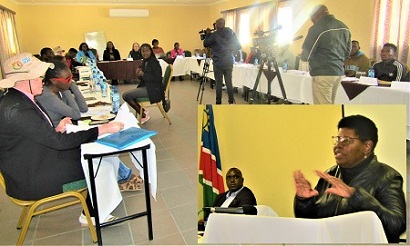
Last weekend, a large number of farmers gathered at Santa Clara on the Angolan side of the border where the issue of stolen goats was discussed.
According to the farmers, several gangs of thieves, steal goats in Angola, slaughter them and then come sell the meat cheaply inside Namibia mostly to kapana vendors.
According to the farmers, some goats are stolen from kraals whilst others are taken forcefully from children who are grazing them in the bush.
“We have a problem regarding the goat meat which is sold in Oshikango and surrounding areas. This meat is from stolen goats,” village elder Alfred Nghinananye told the gathering.
“Goats that are stolen and slaughtered by our own children, they cross the border and sell the meat for peanuts in Namibia.”
According to him, the practice had begun late last year but it has gotten worse of late.
“They used to steal the goats from kraals in the night, but now they are ambushing the children who are looking after the goats and they forcefully drive the herds away. The goats are driven far and you will never see them again.
“We therefore would like our leaders to convey this message to the Namibian authorities to question and arrest everyone found selling goat without proper documentation of ownership.”
Nghinananye told the gathering that the information he had obtained indicated that the Angolan culprits have formed a business partnership with Namibian vendors who buy the meat cheaply for their kapana businesses.
“Cross into Namibia now, and you will notice basins and water containers on heads. What is inside is meat. Goat meat. Meat is being sold for N$20 while typically raw goat meat is only sold from N$50 and above,” he stressed.
Some farmers who attended the meeting also took a swipe at the Angolan security forces guarding the border, accusing them of accepting bribes from the culprits in return for letting them pass through the porous border into Namibia.
“This one I am blaming it on our police officers,” one furious farmer said.
“They are the ones encouraging this behaviour. They don’t question the people although we have reported the matter to them. Why don’t they question them? For them is to take bribes and they do not care about the losses we suffer each day.”
The farmer said Namibian border officials cannot be blamed because they are accustomed to Angolans entering the country with all types of merchandise on their heads and thus could not distinguish what is what.
Also, she indicated, the matter is yet to be communicated to Namibian authorities. The farmers would present a petition to the administrator of Ondjiva this week.
Meanwhile, Omutumwa authenticated from several kapana vendors around Oshikango that indeed goat meat from Angola is sold in the town. Most of the vendors confirmed they buy the meat cheaply.
However, they deny any knowledge whether the meat was stolen meat.
“My friend, how will I know if it is meat from stolen goats,” one vendor said. “I do not live in Angola. I live in Onamhinda. Everyone here, you probably included, buy cheap stuff from Angolans, vegetables, fruits, rice and others. How do you know it is stolen or not?
“Again, stolen or not, it is not my problem. They should deal with their own people.”
Another vendor, Ndeupewa Vinson pointed out: “I have heard about the issue of the stolen goats. But my suppliers always provide me with the papers indicating the animal from which the meat come from.
“Unless if they used to forge the papers, but I think the animals the meat come from belongs to them.”
Many Angolan nationals prefer selling merchandise in Namibia, citing the country’s strong currency against the weak Angolan Kwanza.
Omutumwa could not obtain comment from the Namibia police by the time of publishing.
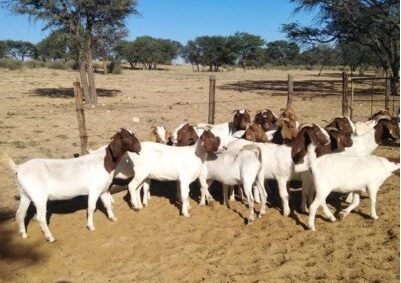
In the photo: Goats, for illustrative purposes.