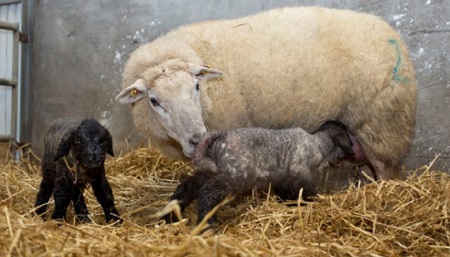

Winter is the period during which goats and sheep reproduce in some kraals. This is a critical period that requires extra effort and care to ensure that the birth processes are smooth and that the lambs and kids survive.
“Farmers who get the most out of this period are those who have prepared properly for this winter period,” says Mr Erastus Ngaruka, the technical advisor on livestock and rangeland at the Agricultural Bank of Namibia.
“The most significant challenge for the lambs and kids is to survive the cold conditions of the winter months; thus, farmers need to construct shelters to keep the newborns warm.
“These include houses, digging pits, and enclosures covered with heat-trapping material such as black plastic sheets, among others.”
Cold conditions can also result in respiratory distress or infections, mainly pneumonia (Pasteurellosis).
“Thus, the mothers must have been vaccinated already to pass the immunity to the young through milk (colostrum) at least in the first month, or the young can be vaccinated at least at two weeks of age if the mothers were not vaccinated during gestation/pregnancy.”
Ngaruka also states that the lambs and kids need sufficient milk and feeds (creep feeds) to generate heat to keep warm and maintain optimal growth.
“Therefore, their mothers (ewes and does) need sufficient quality feeds to produce sufficient milk for the young. Another challenge for the young ones will be parasites such as mites, fleas, and lice.
“These parasites compromise the health and growth potential of lambs and kids; thus, they need to be controlled. One of the recommended methods of controlling such parasites is by dipping the young ones into an antiparasitic dip solution.
Furthermore, dirty (e.g. dusty, excessive dung) kraals will also pose health risks such as respiratory and eye infections, and harboring of parasites. A clean, healthy, and safe kraal environment plays a vital role in the survival of lambs and kids.
“Therefore, all potentially harmful conditions need to be eliminated.
“Your farm productivity depends on the animal, the environment, and your management. A successful production cycle is one where the animal is born and raised to survive until it reproduces or is marketed for return on investment.
“Therefore, farmers need to develop appropriate management plans that are responsive to the prevailing conditions in their production environments. These include seasonal feed and water shortages, diseases, and parasite infestations, among others.
“A closer and regular inspection of livestock will be needed to allow quick responses to any abnormalities or changes in livestock health and behaviour.”
In the photo: Sheep farming is a lucrative business.