
The things we should have said before the funeral
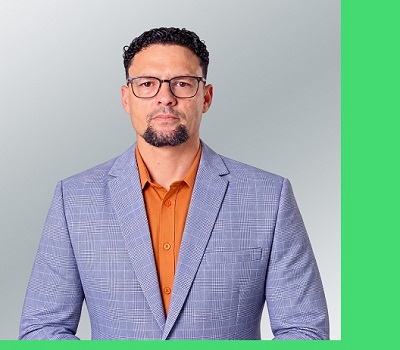
By Eusebio Fredericks|
The conversations that matter most are almost always the ones that feel uncomfortable to start.
In most families, death is not discussed until it arrives. And when it arrives, it arrives with urgency.
Decisions that could have been made calmly over a Sunday lunch are suddenly being made in a hospital corridor, over a phone call at midnight, or in the first raw hours after someone has passed.
Does the family know whether there is funeral cover? Does anyone know where the policy documents are? What did the person want: a burial or a cremation, a quiet service or something larger? Who is supposed to make these calls, and on what authority?
These are not complicated questions. They become complicated only when they have never been discussed, and when the people who need to answer them are also the people who are grieving.
The discomfort that keeps these conversations from happening is understandable. Talking about death feels like inviting it. Asking a parent whether they have funeral cover can feel presumptuous, even disrespectful, as though you are thinking about their death before they are ready to.
These feelings are real, and they are worth acknowledging. They are also worth setting aside, because the cost of avoiding the conversation is paid by exactly the people you are trying to protect.
A family that has talked about these things before they are needed is a family that can grieve without scrambling. They know who to call. They know what the person wanted. They know where the documents are. They do not have to make difficult decisions under pressure while simultaneously managing their own shock and sorrow.
The conversation that felt awkward to have at a family gathering takes perhaps twenty minutes. The absence of that conversation can create confusion and conflict that lasts for years.
It is also worth saying what the conversation does not have to be a formal meeting or a difficult intervention. It can happen naturally, at a family gathering, after a meal, prompted by something in the news or by the death of someone else in the community.
It can be brief. It simply needs to happen. Someone needs to say: do we know what we would do? Does everyone know what cover exists? Have we talked about what each of us would want?
Funerals bring families together. The ones that go smoothly – where the logistics are handled, the wishes are known, and the family can focus on each other rather than on managing a crisis – do not happen by accident.
They happen because someone, at some point before it was necessary, decided to have the conversation.
That conversation belongs at the family table. Not at the graveside.
– Eusebio Fredericks is the Old Mutual Namibia Retail Mass Business Southern Region Sales Manager.